Understanding AEW and WWE: Streaming and Fan Perception

When I was a kid, I preferred WWF to WCW. There are a number of factors that came into play. WWF was more abundant and accessible. I had satellite TV so caught all their shows and PPVs. As I recall, WCW was restricted to a highlights type show on ITV. That might not be correct, my younger self may have just lacked the smarts to find the rest of its output. 

Regardless, what I saw of them made me think WWF was the real thing and WCW was a cheap ripoff. This feeling of it being a supermarket own brand compared to the real thing came down to how it looked. That’s not to say I liked nothing about WCW and I certainly admired some of their wrestlers. If I’m honest, the main distinction came from a place of snobbery. WCW felt cheap. The Fed had better production values. 

Quite why or how this facet won me over is a mystery because Kendo Nagasaki was my favourite wrestler growing up and the final product on World of Sport was several notches below the American counterparts. 

Later on, Hulk Hogan switching companies had zero bearing. If anything, it underlined how WWF was the superior product. I had never cheered on Hogan and every PPV I silently wished Hulkamania would die before my eyes. The promise of it living forever irked me. The only time Hogan impressed me in the ring was when he played Thunderlips in Rocky III

Not that I was happy with how WCW was represented during the Invasion storyline. I understood the home team was always going to win but I wanted to see a fair fight. Just as if my favourite DC characters went to war with Marvel, I’d want to see Batman try and pin down Spider-Man, Superman respond to a Hulk smash. We didn’t get a true WCW face The Fed. The vortex it created highlights that even as number two, WCW had genuine value. 

Even with my biases and slanted perception, I felt bad for WCW. 

But Vince McMahon has a trait all the best salesmen in the world possess: don’t ask the consumer what they want, just convince them their product is what you need. 

The WWF (and of course, now WWE) has its own, very distinct and formulaic, style. For the majority of Vince’s rule, he stayed true to his vision and it undoubtedly worked — in a business sense. It isn’t a style that cares so much about the actual wrestling. At least not on a weekly basis. When I was younger, sometimes I did prefer the speaking segments and only really appreciated the in ring performances when it was PPV time. That was Vince working his magic on two fronts. He wasn’t giving away stellar matches for free. You needed to pay for the PPV to see genuine classics (which wasn’t a cost bearing exercise in the UK back then). The fact the weekly shows were a step below only elevated those PPV bouts even more. And it led to the second part of the method: the focus was primarily on the characters. 

There’s a reason that Shawn Michaels putting Marty Jannetty through the barbershop window was shocking then and still iconic today. 

The emergence of the nWo caused McMahon to fight fire with fire and deviate to a more adult orientated product. Once the war was over, he eventually returned to the safer PG lands, with cartoonish characters and bland weekly shows. 

And he made even more money.

At its very core, WWE is the home of unoriginal copy cat production. Its innate property is producing something that has already been tried and tested elsewhere. Don’t get me wrong, it often takes the original idea, and as The Rock would say, shines it up real nice. The majority of the time—especially in the modern era—it just creates a soulless copy. Even Cody Rhodes (who has been great since his return to the company) felt the need to steal a Christian Cage scene. 

We have all heard Oscar Wilde quoted as saying: “Imitation is the sincerest form of flattery.”

Well, he did say that, but it’s an incomplete sentence. He actually said: Imitation is the sincerest form of flattery that mediocrity can pay to greatness.”

This is where WWE’s first real rival for decades comes in. AEW has rejuvenated the industry and has tried things outside of the WWE wheelhouse.

And measured side-by-side, the things that AEW does well are great compared to the knockoff Fed version. 

But presentation and perception go a long way. It makes me wonder: if I were a kid now, would WWE’s more polished production and ease of Netflix access win me over?

I think there’s a high chance it would. It took a long time for my despair with The Fed to set in. The younger a person is, the more malleable and open to suggestion they are. Being told WWE is the Grade A product, over and over again, is going to make people believe it without an objective inspection. 

Triple H—and TKO— can run the same template that Vince did before them and expect similar results in terms of return. And in terms of dwindling weekly wrestling performances. 

The Streaming Era isn’t a traditional model. So there are parts of the template that will come under challenge. The Netflix deal is great for WWE. The increased international exposure alone is something that will lead to a further expansion of income streams. Paul Heyman is right to say WWE is mainstream again. Having RAW on Netflix every Monday solidifies this. 

AEW also has an ace in this regard. The MAX deal has been met with some derision on X. The AEW haters see it as an insignificant bonus to its output. Claiming if viewing figures were that good, Tony Khan would be mentioning them. There is probably some truth in that last point. The part they’re missing is AEW content on a prestigious streaming service is exposure money can’t buy. The thing is, they didn’t need to buy it: they were paid for the privilege. 

When MAX is integrated into Sky and Now TV in the UK next year, it appears AEW will follow. The current ITV deal expires as MAX arrives in Britain. Being on free-to-air offers more eyes, but ITV hasn’t been a good home for AEW. Most of the UK fans watch via Triller. Moving exclusively to Sky may place it behind a paywall but it should get a bigger push from the broadcaster. It was a home that did WWE no harm. The live viewing figures for RAW at 1am on Sky Sports exceeded free-to-air wrestling shows at times.  

Even with any potential boost, AEW seems to be on a hiding to nothing when it comes to wider appeal and objective approval. It may just be a matter of time. The Attitude Era found an audience because kids who’d enjoyed cartoon wrestling were older and fancied something edgier. The PG fans will become rebellious teenagers. There might be an audience in waiting. 

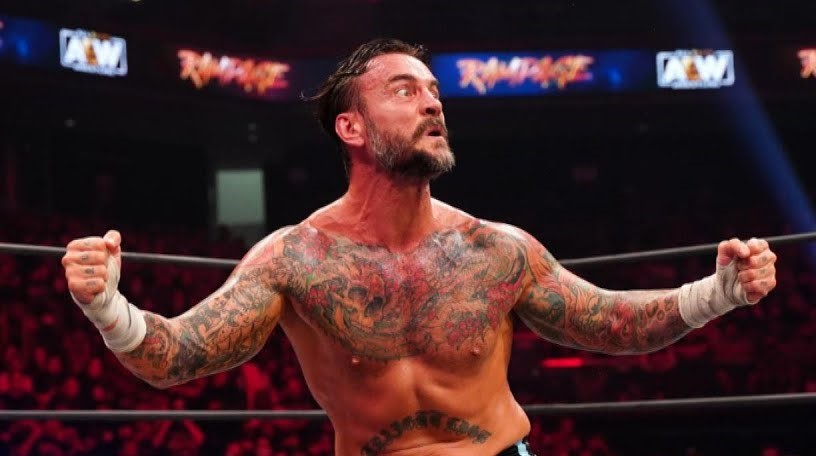
Perception also comes with taste. It’s like cola. CM Punk seemingly prefers Pepsi. I’m a Coca-Cola guy. One was the taste of a new generation. In wrestling terms, AEW is the Pepsi and will never win over Coke diehards. I didn’t write that analogy for the incoming pun, but Pepsi made headway with Pepsi Max. Now we have AEW on MAX. It’s the same flavour but its constitutional elements are different. 

Tony Khan has reinvigorated professional wrestling. The industry was drab—apocalyptic in feel—when it was just The Fed unchallenged. 

The appearance of AEW made WWE up its game. The problem is, WWE fans over-hype things in The Fed and have a different set of rules for what is a weak moment when it comes to AEW. 

AEW in turn doesn’t get the credit—or highlight enough—what it does better than WWE and it feels, because of the endless tirade of criticism, can be prone to pivot multiple times with stories to try and win plaudits. 

This method will never work. Tony Khan needs to have faith and stick to his guns. Hangman Adam Page’s journey to his first world title was over a long period. A time when the anti-AEW hate was barely registering. Imagine if that same set of circumstances was being played out in today’s environment. There’s no chance the story would have been given time to breathe and grow. 

WWE’s Bloodline saga has been a resounding success. It didn’t start so hot. But WWE has a history of being stubborn (often to a fault) and seeing the original plan to its conclusion. 

AEW started out as “the alternative”. It should become inward looking again. Ignore the noise. Ignore any free agents The Fed creates. Hard sell its multiple five star matches. 

For some, we’re past the point to be impartial and nothing the rival company does will get the appropriate level of appreciation from opposing fans. Hopefully for the rest, they can take a minute to realise wrestling is like music. Don’t get angry if the latest jazz album doesn’t play like Metallica. You don’t like jazz. You need to listen to heavy metal and rock albums. 

Don’t buy a dog and expect it to meow

Don’t watch entertainment and expect sports. 

Don’t watch WWE and expect AEW. 

Reports of AEW’s Death Have Been Greatly Exaggerated

One would think that a new TV deal worth around $150M a year, for a guaranteed three years, would be a cause of universal congratulations. But such is the toxicity in the Internet Wrestling Community, it only takes a slow ten-count before the naysayers are out picking holes in the terms. Because everyone on X has a law degree and a crystal ball into the future.

When it comes to AEW, those who prefer WWE, or have just taken a complete dislike to the wrestling upstart, spend hours looking into their crystal balls and manifesting its implosion. Much like the Millennium Bug, these predictions will invariably amount to nothing. Not that there aren’t any legitimate concerns about the health of the company or its creative direction at times, but they are nothing more than growing pains. Also, pro-wrestling doesn’t—despite what some will have you believe—follow a sure-fire formula for success. Much of the time, it’s hit and miss until you find something that works. Then the money maker is usually milked until it’s shrivelled beyond recognition (looking at you, nWo).

AEW was always going to have a period of readjustment. It burst onto the scene at a time when WWE was flat. A generation of fans had either left pro-wresting altogether or enjoyed less accessible shows and the indies. Mainstream wrestling was as good as dead to many. Which is weird to say because it remained a commercial success by most metrics. Vince McMahon had no real competition and was in coast mode. And the IWC complained. AEW was the cure to the illness.

In the first year—and through the pandemic—there was a genuine organic buzz. There is now an unfair lens where everything they do is subjected to a harsher critic. Maybe this is paying back the goodwill tax when its roster had less star names, that managed to put on enthralling shows, but were given more leeway.

It’s impossible to keep the original vibe while expanding and evolving. Sure, the roster is bloated and many brought in nudged out AEW originals then failed themselves. Like Miro. He came, was touted as a future world champion. But instead he sits at home because he has issues with creative. Just like he had issues with WWE creative.

He’s not the only star to bring Tony Khan a problem or two. The obvious one being CM Punk. Who, in a swift career move, proved he is a hypocrite and someone should tell him he’s told lies. But—he is symbolic of the problem some fans are suffering with AEW: they thought they wanted a WWE alternative when all they wanted was WWE to be better.

WWE has now improved (competition does that). And a reinvigorated WWE product has fans returning to The Fed, which leads them to complain about the things AEW do that is so un-WWE like. So AEW is damned if it does, damned if it doesn’t. It is the alternative and thus, can’t be a WWE with lower production values that has spots with blood. Which is handy, because WWE has decided it will now do blood again so those Fed fans that complain can secretly enjoy their fix.

We read about less backstage issues now Punk has left. I’m not saying he was a leak, or the cause of them all, it’s just an observation. The most telling recent leak revolved around Britt Baker. If there’s any truth that she bumps heads a lot, it’s a true test for Tony Khan and his powers of discipline.

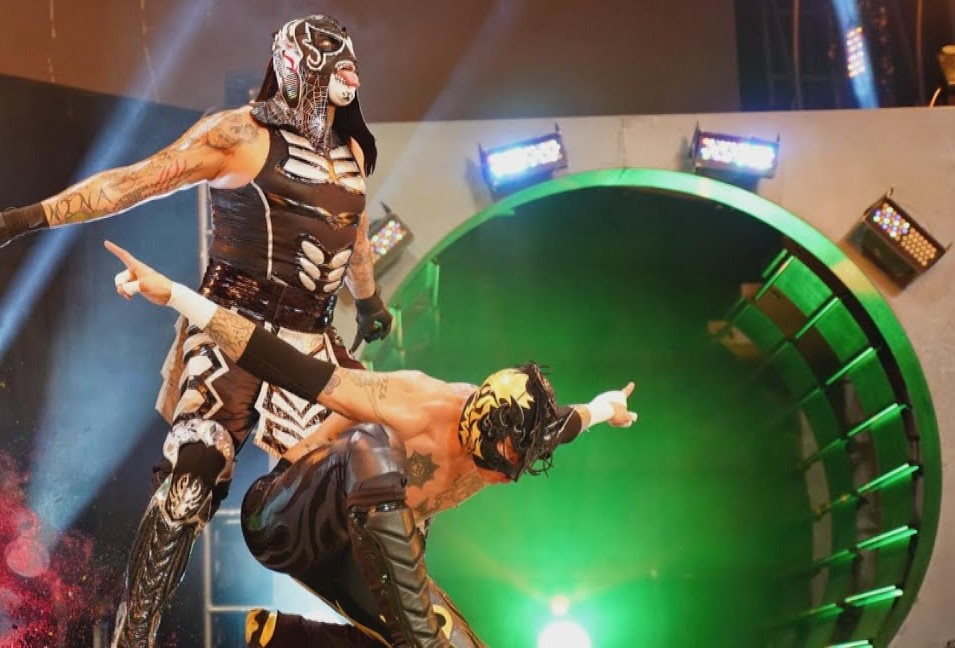
This writer is a fan of Tony Khan. He has saved the pro-wresting business from succumbing to a WWE PG Era bland, cartoonish, parody. There’s no doubt he gets things wrong. He isn’t a natural in front of the camera. He has done things he said he wouldn’t do (like being on camera as a character). The most notable being keeping Rey Fénix under contract when he looked WWE-bound.

This was a smart business decision. Back when AEW was new, Tony offered overlooked wrestlers a chance to show their talents on an international stage, free from overbearing creative. He didn’t want it to be a prison, if people found they didn’t like it, they could leave. That was great when AEW was finding its feet, but like many things in life, the fun is always ruined by people who take the piss.

Those heady days have ended and will never return. Tony needs to become a stern leader. In the Mr. McMahon documentary, Tony Atlas explained how Shane McMahon was too nice to be the boss. Khan is finding out the hard way there isn’t a truer statement in pro-wrestling. The locker room will see a benevolent employer as a pushover. If he let the Lucha Brothers leave for WWE, there could be a significant number of other wrestlers pressing for their release.

Some may see this as an admission that there’s real trouble in AEW. Why would so many want to leave all of a sudden? Because people who had bad attitudes elsewhere have found out they can’t swing the lead in AEW. And those who feel underutilised want a chance in a different place. They should be reminded that hard work and the right character count for everything: just look at Swerve Strickland. There will be some who think AEW has a ceiling that hinders their prospects of transcending pro-wrestling.

The belief on that last point has evidence if you think TV ratings carry any weight. In reality, they do. If a million people are watching you perform every week, that increases your chances of being seen by the right movie director or becoming part of the Zeitgeist.

This is an area where both AEW and WWE fans have double standards. WWE fans for years of defending declining ratings. Then AEW supporters—led by an over-exuberant Tony Khan—spoke of a Wednesday Night War when week-after-week Dynamite out performed NXT in the rating. Hell, Chris Jericho even called himself the Demo God.

It seems in wrestling, the ratings only matter if your side is winning.

Warner Bros. Discovery (WBD) doesn’t appear too concerned with the current ratings. As part of the new deal, Dynamite and Collision will also be streamed on Max. This gives greater exposure to AEW. It also should be noted AEW has been streamed for a long time on Triller TV. It would be naive to think fans in the USA don’t access it there with a VPN. If there was a worryingly decline in interest, AEW’s PPV model would collapse, they wouldn’t be able to fill major events.

Wembley managed just shy of 50,000 this year (capacity reduced due to local constraints) and WrestleDream sold more tickets than last year’s edition.

The weekly shows are struggling to fill arenas. Welcome to austerity. Everyone has less disposable income. WWE has trimmed a notable amount of WWE Live dates. All companies have reduced footfall. AEW should acknowledge this and select more bespoke, smaller capacity venues.

Running weekly shows will always lead to fan fatigue. AEW has been judged harshly, not only with attendance, but with the notion it doesn’t tell stories. We always had weekly matches without build. Jim Powers would be rolled out on TV just to showcase WWE’s prime talent. Sure, the commentators would use that as an opportunity to discuss the superstar’s wider issues to progress a story, but the match itself was irrelevant and came from nowhere. At least now, we get competitive matches and—this may come as a shock to some people—the act of storytelling in pro-wrestling originally was told in the ring. The art of this sport we love is to tell a complete story with the ebb and flow, the subtle gestures and mannerisms, from bell to three-count.

And the loudest critics—who for some reason get Dax’s attention—prove how flawed their argument has become. Apparently there was no story going into WrestleDream but we have some coming out of the PPV. Or, here’s an idea: the foundations and nuances of multiple stories is being laid over a long period.

What people mean when they say WWE tells stories and AEW doesn’t is this: WWE dumbs everything down so simpletons can understand it; AEW doesn’t spell everything out for its wrestling fans.

If The Fed’s feud of the year needed a bracelet to help fans understand, they aren’t going to understand true long-term storytelling that Jon Moxley or Hangman Adam Page are serving.

AEW has the strongest array of talent ever seen within an organisation. The number of men who could make convincing world champions runs into double figures. The women’s division is also loaded with viable candidates. Maybe this plethora of talent is often overwhelming when it comes to balanced booking. Tony Khan should seek fewer acquisitions and solidify the names on his books. One reason we don’t need a month long build to a match is because Tony can put on a dream card every day of the week and avoid repeats.

But he can’t (and shouldn’t) do this. So far, AEW hasn’t put on a bad PPV. And it’s good we see important matches on TV. But less is sometimes more. Tony Khan—for business purposes alone—needs the casual fan. WBD wants the casual fan.

AEW can never be a true diametrically opposed alternative to WWE and attract the stars diehards want to see, or the ratings TV execs demand. There has to be a crossover, like a Venn diagram, for what a successful pro-wrestling company looks like. There’s the sickos and the mainstream kids. Any extremes die out or remain on the fringe.

AEW isn’t dying out. It’s working its way from alternative to a Max mainstay. And only a lunatic would do this with it on the fringe.

The new Moxley era is already very promising. It delivers the organic edgy feeling AEW started out with but is accessible enough for it to grow and be accepted by a prime time audience. People wishing AEW to fail, are praying for a return to a bland WWE. Are hoping thousands of people struggle for work. Are working against the industry as a whole.

Every single promotion should be able to face criticism. But AEW doesn’t deserve the Doomsday Clock countdown or unreasonable negative bias.

AEW: Where it’s best if they continue to wrestle.

Tony Khan’s “War”: AEW Collision and What ROH Could Have Been

First off, let’s be clear: there isn’t really a wrestling war right now. Tony Khan believes there is. Certain elements of the Internet wrestling community think there is (and actively partake in dropping bombs) and talent pretends there is when it’s contract renewal time. But the reality is, there can’t be a war when one company is so far ahead of the other in terms of TV ratings and revenue.

Nothing AEW achieves will put WWE out of business. WWE was recently valued as a $9.3 billion enterprise as it formed a new company following Endeavor’s acquisition and merger with UFC. That combination touted as being worth in excess of $21 billion.

Tony Khan couldn’t get a TV deal for Ring of Honor.

In the war between WWE and WCW, it was a fight to the death. This time—at best—it may slightly affect WWE’s bottom line if AEW continues to grow, and ran live events on the same days as WWE’s non-televised shows. AEW’s arrival has actually generated more chances for wrestlers to work. It’s opened up the wrestling world and brought in more fans, or at the very least, brought back those who had become disenfranchised.

What was notable in the Monday Night War was how WWE had to change its game. Vince McMahon’s natural inclination is to have PG, cartoony characters. When WCW produced an edgier product, Vince had to adapt. The Attitude Era was the result and has been viewed with nostalgia ever since.

In the modern day faux war, Tony Khan is the one holding the edgier, more adult based product. Blood may be banned in Stamford but Jon Moxley is contractually obliged to bleed every time he hears a bell ring. In this generation, the product closer to the Attitude Era has failed to win the ratings battle against RAW and SmackDown.

Eventually, the children currently watching WWE will outgrow it and migrate to AEW. Until then, Tony Khan needs to secure more viewership. Even the acquisition of big WWE names didn’t significantly budge the needle. CM Punk had a great Rampage debut but it didn’t translate into a massive return each Wednesday. Bryan Danielson is beloved by fans as one of the best wrestlers on the planet. He’s in a place now where he gets to prove it. The problem for TV ratings is, not many casual WWE fans care about wrestling, especially if it’s caked in violence.

The best way to directly compete with PG WWE is by creating PG content.

This is where Tony Khan faces a conundrum. AEW has a strong identity and style. Migrating to a PG show would all but kill the company. Its loyal fans (which are an organic fanbase) would leave, in the short-term it would fail to turn the heads of WWE viewers. The chances are, Tony doesn’t even see it as an option. But there are several (imperfect) solutions.

AEW’s TV shows are finally back in the groove after removing Ring of Honor content from weekly programming. Which brings us to option one. Ring of Honor, up to this point, has been presented along the same lines as AEW. Admittedly, its history doesn’t look like the natural fit for a PG presentation. But if you took a highlight reel from WWE’s Attitude Era, that would be a hard sell to a modern day TV exec for a PG Sports Entertainment show. Still, here we are.

ROH could easily be repackaged. The fact is, it failed to secure a TV deal after months of Tony Khan shilling the product on TBS and TNT. It would be superbly optimistic to expect the relaunched Honor Club to recruit a notable subscription count. Not many will pay $9.99 just for a weekly show.

Unless they are going to offer specials like Impact Plus, Tony Khan may need to return to the drawing board and turn ROH into the family friendly version of his universe. Women Of Wrestling’s ratings prove there is a market for a commercially friendly audience. Its ratings trounce Impact Wrestling, which itself is a solid product. He’d find it an easier sell to those in charge of cable channels to pick up a rejuvenated family version of AEW in the guise of a new ROH. There’d be enough separation between AEW and ROH to dispel fears that the PG audience may inadvertently be drawn to the edgier Wednesday and Friday shows.

The market exists to break WWE’s dominance (if not its profits) but the first rule of showbiz is to give the people what they want. The majority clearly want the soft version of wrestling that fills three hours of television every Monday night. Unless brand loyalty is so strong with WWE that people will watch it regardless of what they churn out. We know this can’t be entirely true. Ratings have improved since Triple H’s arrival as Head of Creative, proving it isn’t watched mindlessly by everyone.

Luring the WWE fanbase with a throwback product hasn’t made a significant dent into WWE’s coffers. It’s time to try with a direct imitation. It worked for WWE in the Nineties. DX was a reaction to nWo. The whole vibe of the Attitude Era was taking what WCW started and trying to do it better. History tells us they succeeded.

History has a way of repeating itself. Imitation is the best form of flattery. It’s time Tony Khan flattered WWE by creating a copy so good, it makes loyal viewers switch sides.

The rumoured AEW Collision show could be this vehicle instead of ROH. A two-hour Saturday show would need to resemble Dynamite’s story progression more than Rampage’s pure action dynamic. To differentiate, and prevent Rampage becoming irrelevant, this could be the PG show AEW has on offer. All the reasons listed above for changing ROH can be applied here instead.

Or we have the option to amalgamate and instead of it being AEW Collision, it is a ROH two-hour show called Collision headed by a returning CM Punk. The story is already written: he can’t work with the “children” in AEW and The Elite, so he’s dragged ROH to network telly.

The most outlandish—and biggest risk of all—would be for Tony to create yet another new brand. It would be free from AEW and ROH’s adult orientation and could start on a blank page. It could still use CM Punk in the role described. 

What Collision can’t be is Dynamite-lite, offering nothing new to AEW’s TV library. Being a two-hour show, all signs point to AEW needing a brand split. This would enable them to use their sizeable roster more effectively (and expect more free agents in the coming months following WWE’s buyout). But this alone won’t improve ratings or market penetration.

Tony Khan can’t win his imaginary war, but he can become something more like an equal than an afterthought if he acknowledges there needs to be a flavour for every fan out there. Whether its Collision or ROH he uses as the vehicle for this—or even a new brand—he needs to think outside of his box.

However, if he chooses to keep the new status quo and sit on one million viewers in order to maintain his vision, that should be applauded and respected. What he has created is the alternative many of us craved. And by its nature, alternative is rarely ever mainstream.

Wednesday Night War: AEW’s UK TV Deal Own Goal

To use the term “own goal” is probably a very British thing to do. It derives from football (soccer for our North American cousins), another way to put it is: shoot yourself in the foot. In the build-up to AEW vs WWE in the Wednesday Night War, the new start up, instead of firing meaningful shots to Stamford, managed to create a PR nightmare. If NXT is counterprogramming, AEW has become counterintuitive.

Okay, a few things need to be cleared up first. There’s a misconception Brits like a good moan (okay, we probably aren’t scared of one) and we get a better deal than Americans when it comes to the cost of home entertainment. It’s true, boxing PPV prices appear ludicrous across the pond compared to the £20 mark we aim for. But people in the UK do pay through the nose for premium content. Aside from the mandatory TV licence (£154.50), to have a full Sky TV package – representative of US cable providers – it costs £840 a year. For full sports coverage you need to add BT at an additional £300.

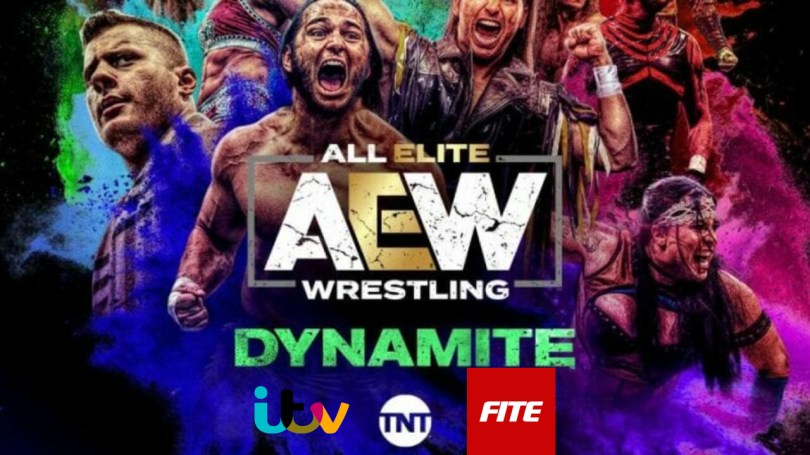
So, we may sound similar to Ebenezer Scrooge but that doesn’t mean we’re tight with our disposable income. This week when AEW finally released solid details of its UK TV deal with ITV, followed by the subscription package with Fite, the outrage wasn’t purely the specific cost ($4.99 a month or $2.99 per episode of Dynamite), it was a mixture of failed expectation, frustration, and the feeling of being led down the garden path.

Cody, in a now infamous clip, stated the WWE’s UK TV deal sucked compared to AEW’s. That just isn’t the case, we now know. If he means from a corporate standpoint, perhaps it is: Three hours of telly for a princely sum. If he means from a consumer perspective, it’s the worst pro-wrestling deal the UK has ever seen. Even Impact, much forgotten in the big picture across the pond, has a sweet UK set up. One which has enabled them to secure a lucrative secondary market despite all their recent woes.

AEW had invigorated the UK wrestling audience. WWE has become stale, formulaic, its promising and most over talent misused or overlooked by a creative team that works only as an oxymoron. Jon Moxley’s frustrations and subsequent jumping of the ship became the symbolic cure to the current WWE problem. But one thing the UK fans never felt by WWE was cheated.

Sure, it was a major hassle having them locked behind Sky’s paywall. Even this situation was turned into a favourable light when they released the WWE Network. Sky – so easy to play the role of heel, with Rupert Murdoch the only man that can make Vince McMahon babyface in seconds – felt cheated that their multiyear deal, which included exclusive PPV access, would lose its importance.

Sky appeared like the money grabbers, still charging a few pence shy of twenty quid for each PPV when the Network offered them and so much more for half the price. It no doubt led to the divorce of what had been a long partnership. WWE came out of it looking like a better priced product for UK consumers.

Vince McMahon has never made promises to the UK audience he couldn’t keep or lied about a situation.

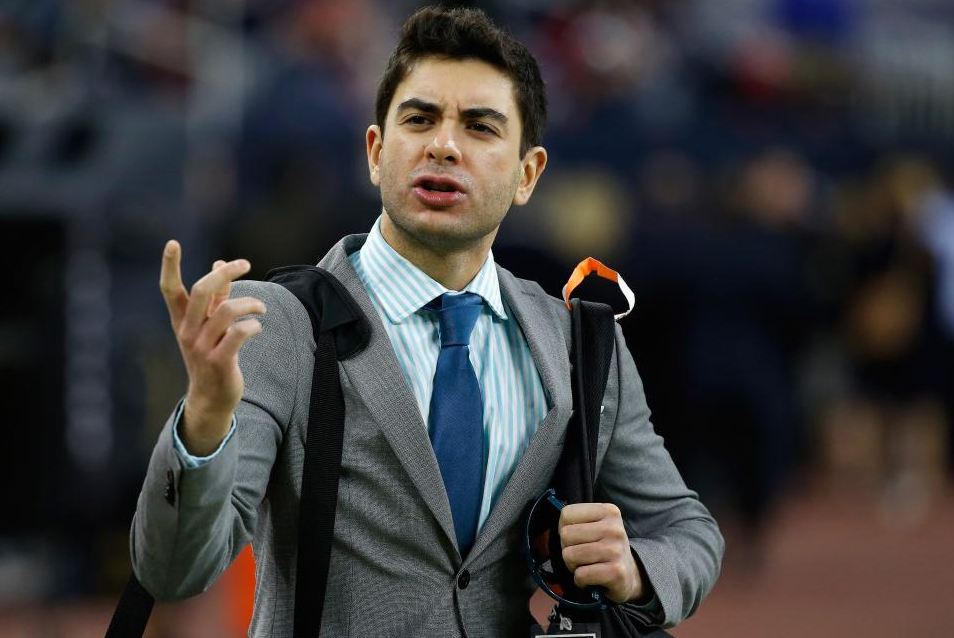
The same can’t be said for AEW. The heat here has to land on Tony Khan’s doorstep. Cody Rhodes can’t be expected to have read the Ofcom ruling. Had he done so, he’d have realised Khan’s false claims that ITV couldn’t run a live show were a badly delivered lie. Free-to-air channels such as the BBC, Channel 5 and Channel 4 have shown NFL and baseball live and applied local adverts, cut back to the studio or placed holding cards on the screen to comply with the law. A law that doesn’t actually penalise the timings for commercials within a given hour if receiving a foreign broadcast.

Tony Khan

UK fans can accept a disappointing deal (unless it’s Brexit), it doesn’t take too kindly to a lack of transparency leading up to a dishonest announcement.

In response to the backlash, AEW’s defenders have tried to turn the tables and make them the victims. As if the criticism has been too harsh or the analysis too intrusive.

You can’t be the loudest person in the room and not expect people to talk about you. AEW had to make waves but it was always going to cause deeper scrutiny. Fans desperately wanted an alternative, they were bound to place any saviour under the microscope – once bitten, twice shy. When wrestling gods fail you, it’s prudent to question the actions of those offering a road to paradise.

It’s also a two-way street. Bleacher Report – an affiliate of Warner Bros., thus TNT – draw attention to the AEW product at every possible opportunity. That’s been great considering the gaps between PPV’s. But it hasn’t uttered a single word about the UK TV deal. That isn’t balanced reporting. If WWE provides a performer with the wrong type of toilet paper, BR Wrestling is all over them like a bad bearhug. AEW has a bad press day and they are conspicuous by their absence.

The failed UK TV deal – make no mistake, it is a failure – became so vocal because Khan let people down before the first bell had even rung on a Dynamite bout. Had he explained from the start that Fite was the real home of AEW and ITV was aimed at a smaller audience (not their target audience), then Brits wouldn’t have lost their shit. They’d have had a few months to decide if they wanted the upstart bad enough to pay half the cost of the WWE Network for less than two hours of content a week.

If less than two hours a week was worth slightly more than half of a Netflix subscription, or more again when compared to the complete perks of Amazon Prime. Negative fallout makes it an argument of two hours versus thousands of hours. A better managed PR campaign, lead with honesty from the outset, would have sounded more like: get AEW every week for the price of a pint.

Instead, we are left with the former. Negativity rules. The idea of a Thursday Night Dynamite prime time show on ITV4 left in tatters. Access on the ITV Hub scrubbed. Admittedly, neither ever promised but when WWE’s TV deal is derided, it’s fair to expect something very close to those two outcomes.

AEW haven’t just shot one round in their foot, they’ve let off another. The bad PR and loss of faith is one thing, from a business point of view they’ve missed a chance to sky rocket to the big time. WWE views Britain has a valuable market. It has solid support and makes a tidy sum from these shores. I dare say, the UK has helped WWE remain in pop culture. All this, and they never had a terrestrial TV deal. AEW do but have chosen to underutilise the opportunity.

Instead of exploding into the British public’s psyche, it risks being the butt of jokes with its Sunday morning timeslot.

Personally, the initial shock and anger has been replaced with a calmer view of the situation. Is AEW worth $4.99 a month. On many levels, yes. It has already taken two PPV orders from me based on a leap of faith. It just feels like a bigger leap this time. The sense of everyone playing fair, pulling in the same direction, has evaporated. It’s hard to part with a cent when one feels hoodwinked.

I don’t want to join the army of people now saying the only way to go is illegal streaming. If you want to see AEW that much, pay them. They’ve worked hard and deserve it. If you still feel slighted Wednesday night (or Thursday morning) take a rain check. Hopefully by Monday night, we’ll have all calmed down and can enjoy the one-hour ITV highlights package.


Love Island 2019 – Review

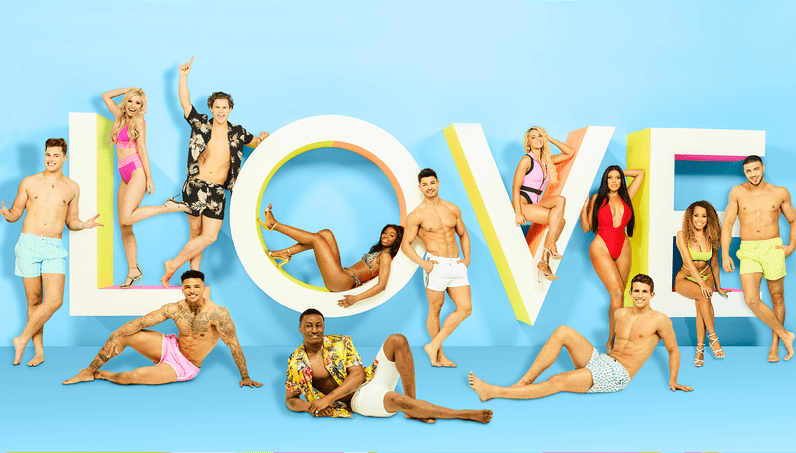
At the start of June, I got a WhatsApp from Mick Tavish: Are you on love island??!! It’s great. My simple response was: Nah.

He wasn’t about to let that drop: A younger impulse

👏

would’ve thrived there. Lighten up and get on it. No more big brother this is next best thing.

Mick tried pulling on the Impulse heartstring, even dragging up the hand rub, but it was the final message that had the desired effect. Mick knows I’m a Big Brother whore. I can’t believe it hasn’t been picked up by another channel or Netflix. There’s a Marcus Bentley sized hole in my reality TV show life.

So, I popped on episode 1 on ITV Hub. After twenty minutes I almost turned it off. It’s bad telly. But something kept me watching. A strange curiosity, or just a need to find something that can be Big Brother Lite.

It was probably the Lucie situation that pulled me in. Like Big Brother, the attraction with reality TV shows is monitoring your own response to people’s contrasting opinions. The overbearing controlling Joe was embroiled in a love triangle with boxer Tommy Fury. We had good guys and bad guys and over two months the roles would change…

The contestants are playing for three things: £50k, true love, and the grand prize – fifteen minutes of fame. The last of these has people declare 100% commitment then decide to stay in the villa when their soul mate is ejected, to find love again a few days later. These young ‘uns prefer love triangles and love hexagons before anything resembling honesty and loyalty.

When all this falsity is hiding in plain sight, it’s ironic the public go for conspiracy theories that Molly-Mae isn’t genuine. If you’re looking for evidence of forced or fake behaviour, there are easier places it exists on the show. For the record, I thought Molly-Mae was being sincere with Tommy. It took the idea of losing him to make her realise she her feelings. Once she set her stall out, love blossomed.

Just as the show allows you to view opinions it also shows how easy it is to play Chinese whispers. Anna and Amber were unable to relay the words used in arguments accurately. Anna couldn’t even deliver the tone and body language she saw without putting spin on it that would leave a politician proud. They weren’t the only offenders. Most incidents were relayed after passing through that person’s individual filter. Makes one wonder how many problems in real life are caused by unreliable narrators…

This year had its characters. Amy was cray-cray. After a week it was clear why at 26, she’d never had a boyfriend. She’s likely to explode at the person in front of her in a shopping market queue and declare the friendship over. “How could you buy Frosties, I’ve been stood here thinking you’d be Crunchy Nut. The way you said ‘hi’ and passed the divider made me think we could be best friends. Now you’re asking for cashback and scrimping on bags for life. It’s over. I have to leave now before we can’t shop together again in the future.” Mad as a hatter. And walks like and old lady too.

Amber is a truly gorgeous person to look at. But. Her idea of being fiery is a different way of saying she’s a bitch. Sure, she was shat on by Michael but she didn’t come out of the fallout with any credit. Even her love speech in the final episode was a “me-me-me” moment. When she grows up, she might be an all right person. Her winning also proves that the British public are idiots when it comes to voting on reality TV shows.

Quick mention to Maura, too. She’s bringing trashy into 2019 kicking and screaming. Every time she says “fanny flutters”, cocks around the country shrivel up.

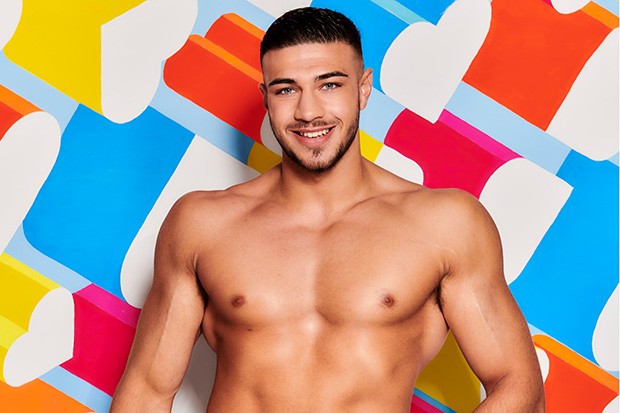
The true star of the show [resists urge to make Ellie-Belly joke] is Tommy Fury. When I say lovable idiot, I mean it in an endearing way. He’s a lovely young man with a heart of gold. He’s not actually an idiot, he just has a childlike innocence. There’s nothing false about Tommy. The Fury family have another A-lister amongst their midst.

Tommy Fury

The show proves how superficial and fleeting looks are. Nine out of ten contestants are super-hot. After a few days, some of them appear ugly. Personality is the key to successful relationships and those with bad ones can’t mask it with a smile for long. Oh, cash can help make a relationship work too (ask people like Bernie Ecclestone) so perhaps that £50k keeps façades up for longer than usual.

The camera shots showing the start of a party looked like an advert for a cheap catalogue, reminding us this was all so, so very fake. But it did manage to replace the Marcus Bentley sized-hole I my life with the witty Iain Stirling.

What Love Island lacks is a true gameplayer. Going back to Big Brother, that eventually became a gameshow. The social experiment died as people wanted fame. Love Island started as a gameshow. There’s a cash prize. Love is just a theme. It needs a Nasty Nick style couple that seeks to tear apart successful partnerships so there are no couples left by the final. In a show where it’s 90% false, someone exploiting this would be golden. Maybe next year?

If in the meantime you’re having withdrawal symptoms, I suggest you seek help from a professional . . . ballroom dancer.

7/10