
Why I Relate to Netflix’s Legends

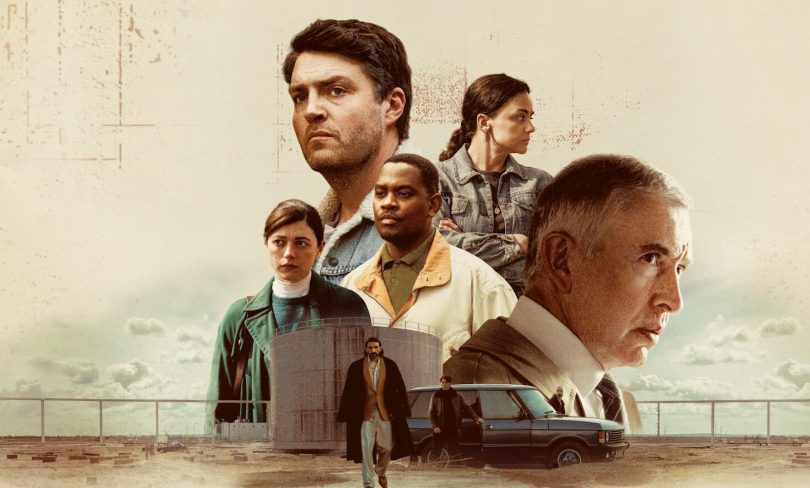
Netflix’s hottest show at the moment has to be Legends. It is based on a true story (take note, Baby Reindeer — “based on”) covering how, in the early Nineties, the UK was facing a heroin crisis.

Margaret Thatcher vowed to smash the gangs (where have I heard that before?) but the reality was the UK had no funding for the operation. The only resource allocated was asking for volunteers within Customs and Excise to apply for a secret job. Steve Coogan heads up the team and oversees recruitment. Not to be wasteful, he reuses his Mick McCarthy voice from Saipan. I guess if you’ve practised a voice but it only has 90 minutes of screen time, you roll it out again.

The protagonist is a man called Guy, who goes from airport bag checker to a gritty James Bond character. He manages to convince the main drug overlords he is in the transport business and can get the biggest haul of heroin into the UK.

It’s never a paint-by-numbers show. And there is also a healthy sprinkling of humour amidst the danger. That danger comes from the duplicity of being in character, or as the show title explains: being in your Legend. The Legend is the character the agents create and inhabit when dealing with the criminal underworld.

Guy talks about his Legend’s feelings but then begins to live them. The Legend is pissed, Guy is pissed. It has I.D. style blurring of where one man ends and his Legend begins. A bit like me. Infamous for hiding behind the persona of Trevor in day-to-day life when I’m really Clive Balls. I understand Trevor’s motivations, and he would argue he tolerates mine. But a Legend, like a Trevor, is more than just good method acting. It is becoming the new identity until you can’t remember the other you as anything other than a different person.

It’s Guy’s intensity that keeps the show driving forward and creates the jeopardy.

This feels like an old school Sunday night drama you’d find on terrestrial TV. Instead, Netflix delivers the best of British to the widest audience. In doing so, it gives us its best offering in years.

9/10
Alan Partridge’s Scissored Isle – Review

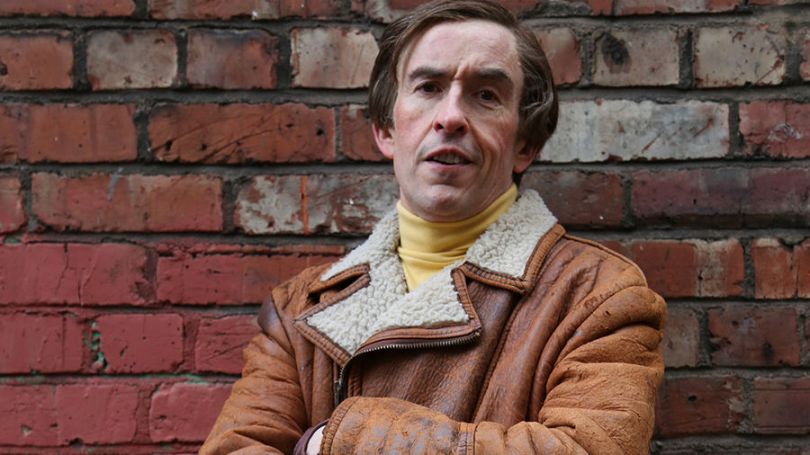
Steve Coogan returned to our screens this week with the greatest comedy creation ever. That’s no small tag but Alan Partridge deserves it. The expectation to live up to the legacy is almost as hard as writing a spoiler free(ish) review. But here goes.

Within the opening seconds it is clear Coogan will deliver on expectation. The mockumentary format, last utilised in Welcome to the Places of My Life, sees a downtrodden Alan referring back to his breakdown in Mid Morning Matters.

He replays the sheep-shagging comment incident and backs it up with another slip-up, filmed on a mobile phone during a dinner speech. This was Partridge putting positive spin on a bad situation. His mission now: to discover how he had become so distant from the “chavs” he poked fun at.

Even in the prologue there are hidden gems. Cycling down the YouTube page of the dinner video, the viewer sees a series of angry comments, beneath one Lynn Benfield asks a naïve question. It’s a good touch and a nod to the past.

Before the halfway point there are enough one-liners to refresh the storage banks of Partridgeisms. This is great news for a man that uses around twenty a day. From the ladies on the tills at Tescos having the mental and physical dexterity of fighter pilots to “the 9/11 debacle,” it’s clear Coogan and his writing team is on top form.

He takes a trip to Manchester, to see how those on the rough side of life live. There, he mingles with street gangs and parties with them. The morning after he conducts an interview with the Manchester Mayor. Yes, he rehashes the dub over interview gag from Welcome to the Places of My Life but it isn’t through laziness. In jokes go hand-in-hand with the familiarity Partridge has earned over the years.

The scenes here give Alan the chance to be his cringe-worthy best. The more self-aware Coogan has become, the more self-deprecating he can be through the medium of Alan.

He also mingles with those that have, the well-to-do. Once again he manages to show how he can be awkward and fail to fit into any social scenario (but we’d all love to have him in ours). Watching a farmer, he reflects back to his time at Tesco with the already classic line: “What is a trolley man but a shepherd of the town?”

It shouldn’t be understated how good Scissored Isle is. It combines all the best elements of new Partridge and leaves the viewer hankering for more. There’ll never be a third season of I’m Alan Partridge but one-offs like this make it bearable. It manages to strike a balance for the old generation of fans and includes fresh takes on the character, some that could be seen as slap-stick.

A once divisive character now has enough to please everyone.

Coogan seems at ease in Alan’s skin now. There’s no shame in playing the role and the comfort shows in the performance. Hopefully it means many more years of an ever-changing but always familiar Partridge on our screens, both big and small.

9/10